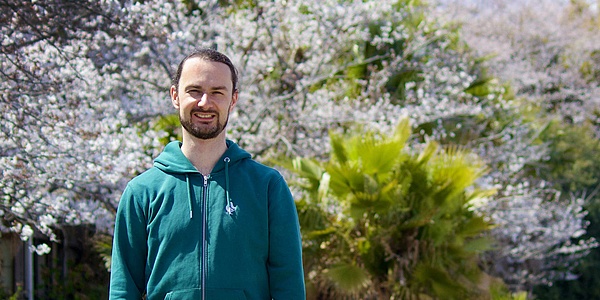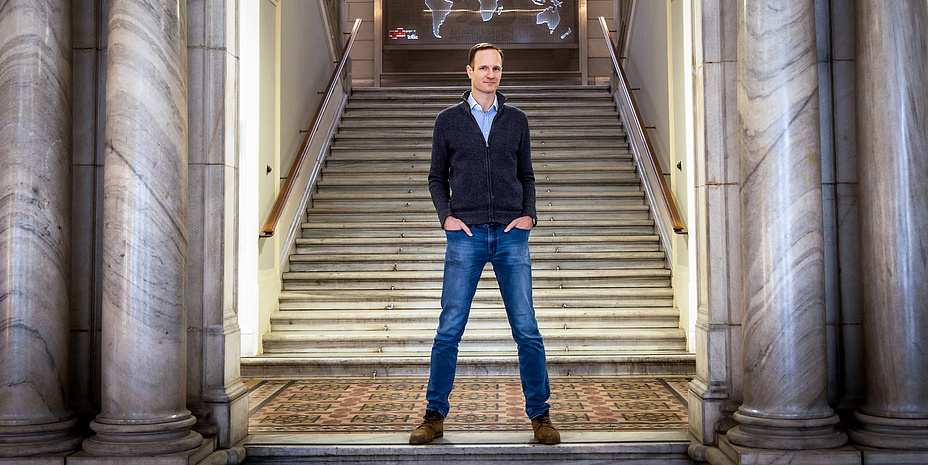
Markus Kaspar smiles when he is asked about his new role as disability liaison officer for academic staff. This new position, which he has held since January, is immensely important to him: ‘I want to raise awareness and provide information about visible and non-visible disabilities. I believe that there are many people who don't even realise that they fall into the category of people with disabilities and therefore forego benefits.’ Why is he so sure? ‘Because it was the same for me. Due to a personal stroke of fate, I suddenly fell into this group of people and didn't even realise it at first. Many people equate disability with a visible impairment, such as being in a wheelchair, but there are so many different shades,’ emphasises the 39 year old.
Suddenly everything is different
Markus Kaspar has been working at the Institute of Applied Geosciences for 14 years. Living in Feldkirchen, he works as a project senior scientist and conducts research into mountain and rock characterisation. He really enjoys his work. He sees his research mission as getting to the bottom of things and working in a practical way, combining classic problems and tasks in engineering geology with modern methods. Three years ago, he suddenly received bad news and everything changed. The academic was diagnosed with cancer – from one day to the next. And the priorities in life started shifting.
I want to be a contact point where people can ask questions, but also express their concerns. Many may struggle with the term “beneficiary disabled person” or may not even realise that they also fall into this category.
Today, this father of an eight-year-old is considered cured. In the course of his illness, he learned by chance that he also fell into the category of ‘beneficiary disabled person’ and was therefore entitled to various support programmes and benefits. For example, those affected have increased protection against dismissal, tax benefits and are also entitled to additional leave. All the things that make the recovery process easier. The researcher would now like to pass on his experiences to other persons affected: ‘I want to be a contact point where people can ask questions, but also express their concerns. Many may struggle with the term “beneficiary disabled person” or may not even realise that they also fall into this category.’
University as a space for all
There are around 60 people at TU Graz with the status of ‘beneficiary disabled person’, but the number of unreported cases is likely to be significantly higher. In addition to visible disabilities such as walking or visual impairments, this also includes non-visible cancers, diabetes, autism spectrum disorder, ME/CFS (chronic fatigue syndrome), multiple sclerosis, endometriosis, epilepsy, depression and mental illness.
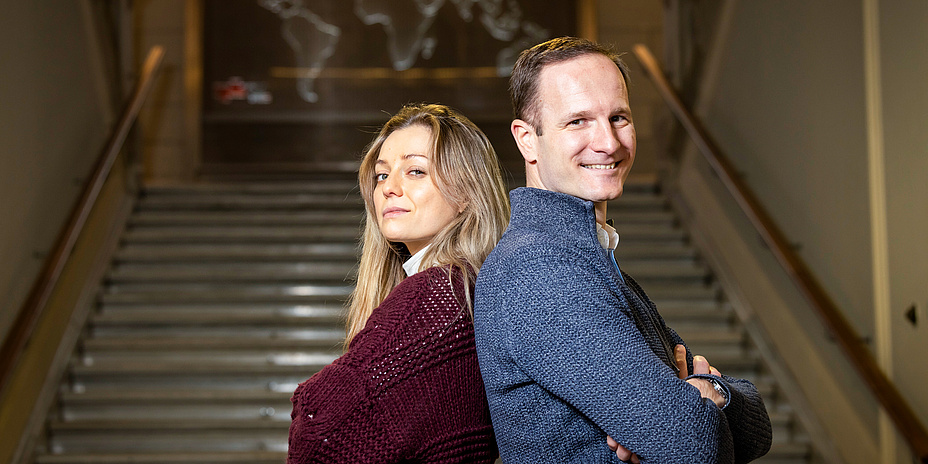
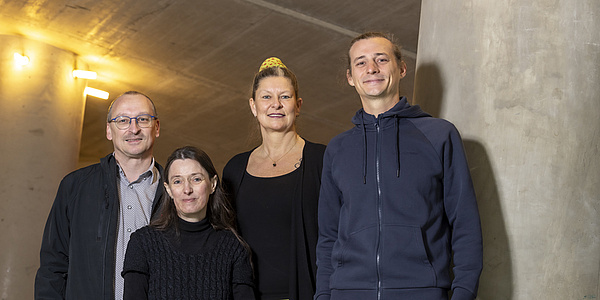
Andreas Gößler, head of the Purchasing Services OU, has been a disability liaison officer at TU Graz for over two decades. As of this year, Markus Kaspar (whose deputy Christina Mühlthaler is from the Institute of Analytical Chemistry and Food Chemistry) is the first person to be appointed as a disability liaison officer for members of academic staff. ‘Academics may have different needs and more questions about business trips, teaching activities or research work that takes place in the field, in the lab or away from the office in general. And here I can provide support. I look forward to hearing from anyone interested, and every enquiry will of course be treated confidentially,’ emphasises the researcher.
Disability liaison officers are elected together with a works council every four years. Markus Kaspar was elected disability liaison officer for academic and artistic university staff at TU Graz in November 2025, with Christina Mühlthaler as deputy. Andreas Gößler was elected disability liaison officer for general university staff, with Elisabeth Lenz and Daniela Agrinz as his deputies.
Employees with disabilities, physical and/or chronic illnesses can obtain information and support from the Service Point for Accessible Working.
Further information on the TU Graz website: Disability Liaison Officer
You can find this article and other articles to browse through in TU Graz people #95, the magazine for TU Graz employees and interested parties.