Data is one of the most valuable assets of the 21st century, which is why attackers are constantly targeting it - whether on smartphones, in the Internet of Things, in the cloud or on the shop floors of smart factories. Researchers at TU Graz are developing solutions with which companies and users can protect themselves against threats, designing intelligent system configurations, developing encryption technologies or searching for security gaps in processors in order to patch them themselves immediately.
The dossier "Securely connected! Cybersecurity at TU Graz" brings together interviews with experts on the game of cat and mouse in cybersecurity, explanations of new research findings and hands-on advice for greater data security.
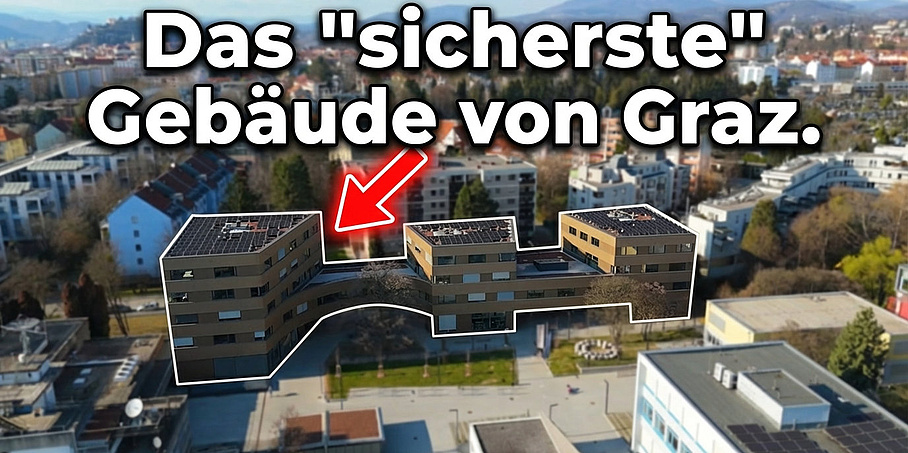
Tour of the Cybersecurity Campus Graz
The Cybersecurity Campus Graz has established itself as a centre for cybersecurity on the TU Graz Inffeldgasse campus. Here is a tour of the new building.
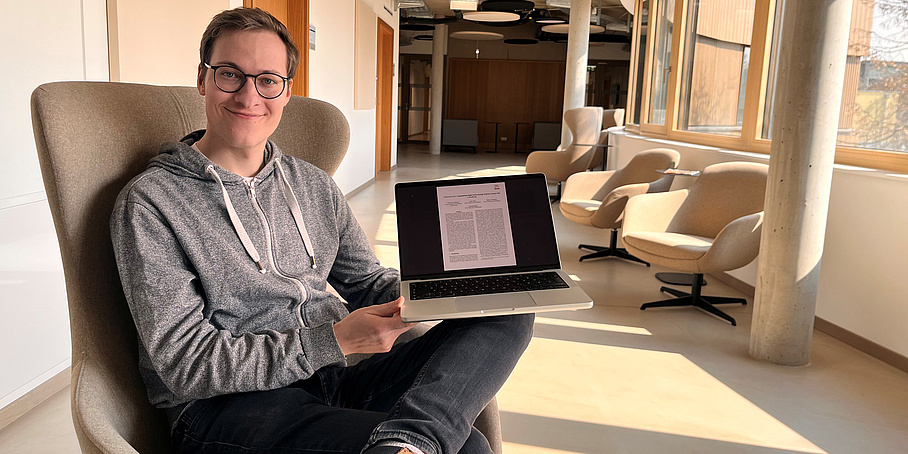
Mobile Phone Security
Florian Draschbacher deals with data security on mobile phones in his research. He has already revealed a serious type of attack called Choice Jacking and is not stopping there.

I Spy Science: Does Anybody See, What I´m Doing on the Computer?
Daniel Gruss is researching at TU Graz how secure computer systems are and how it is possible to hack into them. He explains Snail Load, an attack that does not require any malware but can show exactly which YouTube video you are watching.

TU Graz Develops Hardware Architecture for Post-Quantum Cryptography
Integrating post-quantum security algorithms into hardware has long been considered a challenge. But a research team at TU Graz has now developed hardware for NIST post-quantum cryptography standards with additional security measures for this purpose.
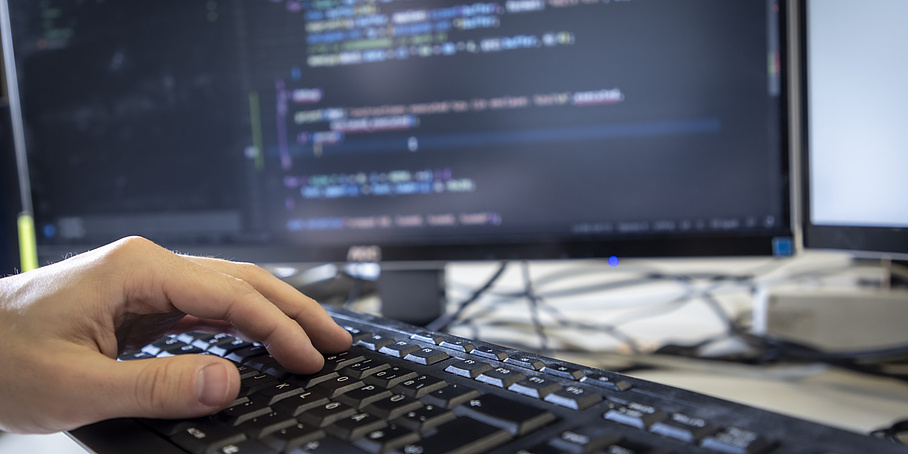
Security Vulnerability in Browser Interface Allows Computer Access via Graphics Card
Researchers at TU Graz were successful with three different side-channel attacks on graphics cards via the WebGPU browser interface. The attacks were fast enough to succeed during normal surfing behaviour.

New Security Loophole Allows Spying on Internet Users Visiting Websites and Watching Videos
Online activities can be monitored in detail simply by analysing latency fluctuations in he internet connection, researchers at Graz University of Technology have discovered. The attck works without malicious code or access to the data traffic.
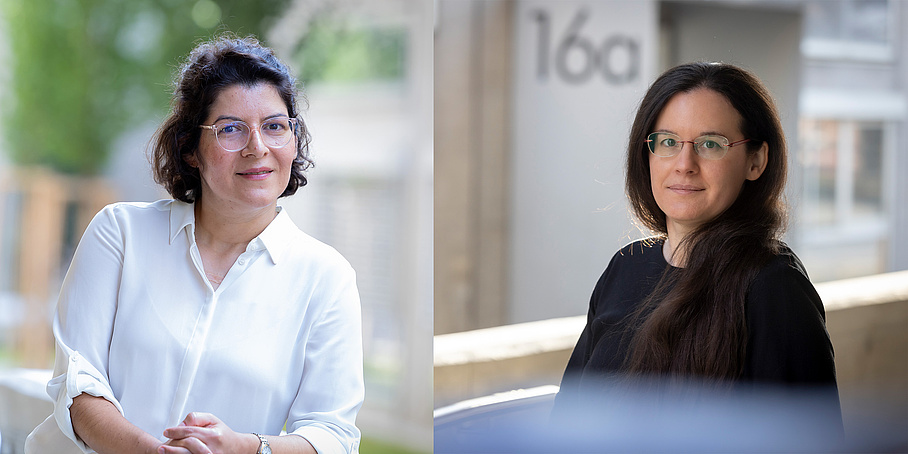
ERC Starting Grants for Maria Eichlseder and Fariba Karimi
Two TU Graz computer scientists have been awarded the prestigious EU funding prize of almonst 1.5 million euros each for their research into more efficient encryption systems and the influence of artificial intelligence on discrimination in online social networks.

Numerous Manufacturers Use Insecure Android Kernels
In an analysis of smartphones of ten manufacturers, researchers at TU Graz have found that the Android kernels used are vulnerable to known attacks - so-called one-day exploits - despite existing protection mechanisms.

Algorithm from TU Graz Becomes International Cryptography Standard
The US National Institute of Standards and Technology (NIST) has named the "Ascon" algorithm developed at TU Graz as the international standard for lightweight cryptography.
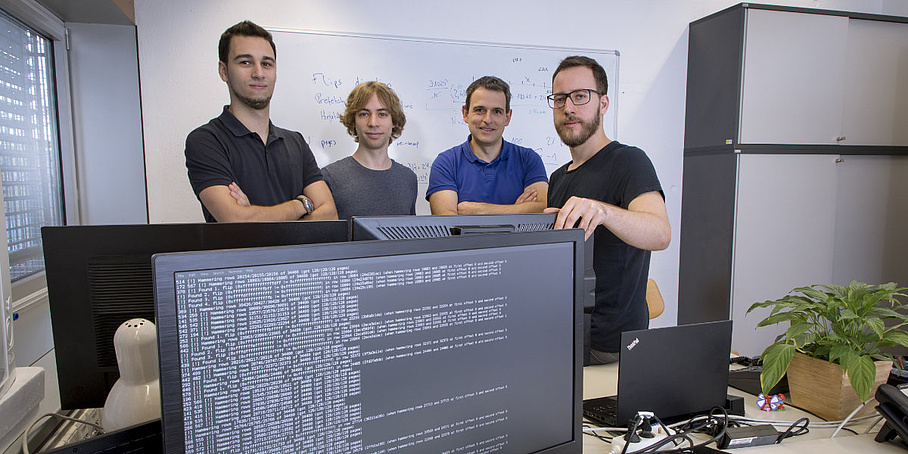
From the Archive: TU Graz researchers discover serious security vulnerabilities
An 10-strong international team of researchers – including researcher from TU Graz – has revealed two new vulnerabilities in computer processors: Meltdown and Spectre. PCs, server and cloud services are affected. A patch could help.