Discover how Indian students adapt to TU Graz: from flexible learning and cultural shifts to student life in Graz. Read on for tips on how to thrive as a student in Graz, right in the heart of Europe.
Moving to a new country for studies is exciting but at the same time it is also filled with uncertainty. When I decided to pursue my master’s degree at TU Graz, situated in Austria, I had many questions as I was coming from India. How different would the education system be? Would I be able to adapt to the culture? What would daily student life look like?
Now, having experienced both systems, I’d like to share what studying in Austria is really like for a student coming from India.
Learning style in Austria versus India

In India, education at university often follows a structured format with regular lectures, assignments, and continuous evaluation. In Austria, however, the system is more flexible and places a strong emphasis on self-study and independent thinking. Lectures introduce the concepts, but a deeper understanding is something you build on your own. I remember walking out of one of my first lectures feeling like I had understood everything, until I sat down to study on my own and realized how much more there was to explore.
This is also reflected in how courses are structured. At TU Graz, as is the case in Austria in general, courses are organized using ECTS credits, which indicate the overall workload. Many courses are divided into lectures (Vorlesung, or VO) and practical components (Übung, or UE).
While lectures focus more on theory and may have fewer assessments during the semester, practicals usually involve regular assignments, helping you apply concepts continually. The final exam often plays an important role for lecture-based courses, and in many cases, you also have flexibility in choosing your exam date, along with the option of re-exams (retakes).
Flexibility and Responsibility studying at TU Graz
At TU Graz, you have a lot of flexibility in choosing courses and planning your semester. While this is a big advantage, it also means you have to manage your time on your own. Unlike in India, where schedules are more structured, here you need to keep track of deadlines and balance coursework, exams, and projects yourself. It can feel challenging at first, but over time you get used to it and it really helps you become more organized and independent.
Student Lecturer Interaction at TU Graz
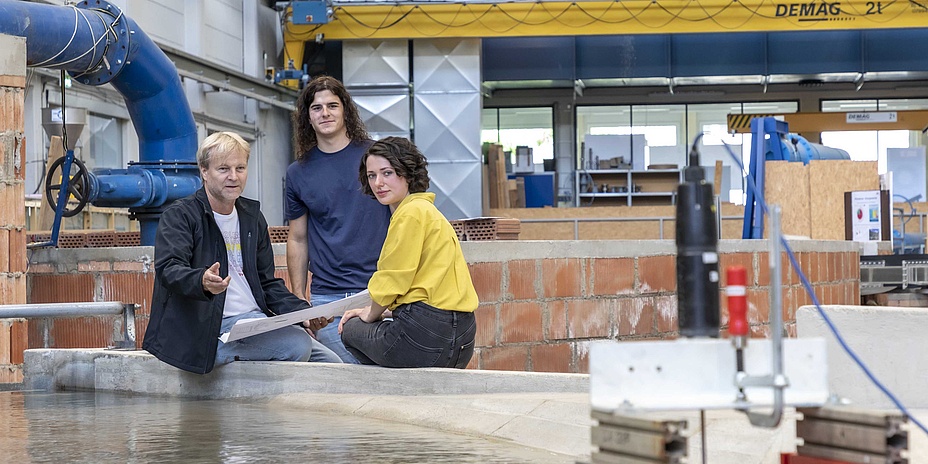
Another difference I really appreciated was how approachable teaching staff are. At TU Graz, communication feels more open and informal, and students are encouraged to ask questions and discuss ideas. It doesn’t feel intimidating to reach out, which makes learning more interactive rather than just listening passively. Over time, this also helped me become more confident in speaking up.
Language Requirements for Students
From my experience, the academic side was quite comfortable as master’s programme and classroom teaching were completely in English. However outside the classroom, in everyday situations knowing some German makes a big difference.
I really noticed this while doing simple things like grocery shopping, using public transport, getting around the city or interacting with locals. It also becomes helpful during university events and meetups, where it makes communication and connecting with people much easier.
TU Graz also offers German language courses for students in English-taught masters programmes, which is a great way to learn alongside your studies.
For more information regarding language requirements for you programme of interest, students can refer to TU Graz FAQ for international students.
Cost of Living in Graz
One thing I was quite curious about before coming to Graz was the cost of living, especially compared to India. It is definitely higher, especially for rent and everyday expenses, and you start noticing it from the start.
I remember that even simple things like grocery shopping or getting around the city felt a bit different at first. But over time, you get used to it and figure out how to manage your budget. With student discounts, part-time opportunities and a bit of planning, it becomes quite manageable as a student.
If you need more detailed information related to expenses, you can refer to TU Graz finance section on the blog.
Student Life in Graz, Austria
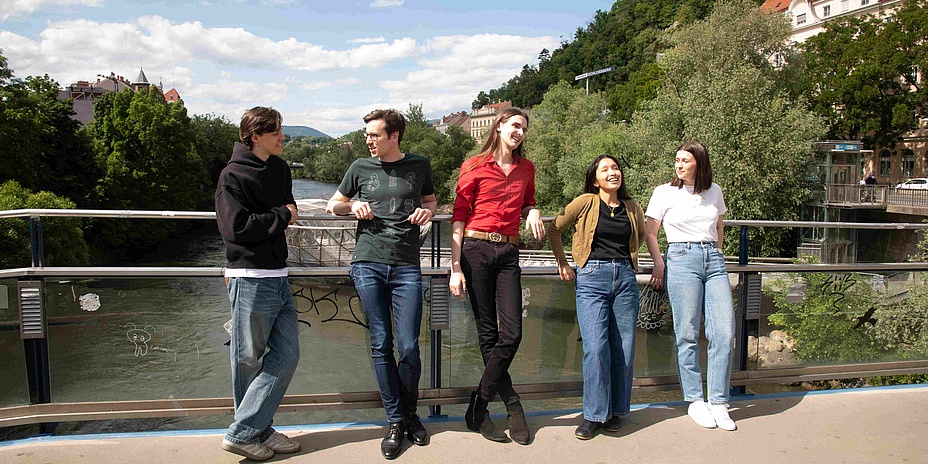
Studying in Austria is not just about academics. Graz is a very student-friendly city, and life here gives you a lot of space to focus on your studies while also balancing activities outside university like going on treks, spending time in nature, or traveling nearby countries. This combination of academics and experiences is something I really value, as it makes the whole experience much more meaningful and memorable.
Find out more about Graz in general, as well as about housing, mobility, activities, health and social affairs, on the Living in Graz website.
Cultural Adjustments: India versus Austria

Moving from India to Austria also comes with some cultural differences that you notice quite quickly. One of the first things I observed was how important punctuality is – being on time really matters here. Communication is also more direct, which felt a bit unfamiliar at first but later seemed clear and efficient. I also noticed that daily life feels more structured, for example with fixed timings for shops and appointments, so planning ahead becomes important.
These differences take some time to get used to, but gradually they start to feel normal. Adapting to them is part of settling in and feeling comfortable in a new environment.
Things I wish I knew before Coming to Austria:
- Time management is everything
- Self-study is not optional, it’s the core of learning
- It takes time to build a social circle
- Life here is slower and that’s a good thing
Weather in Austria: Tips on how to adapt as an Indian student
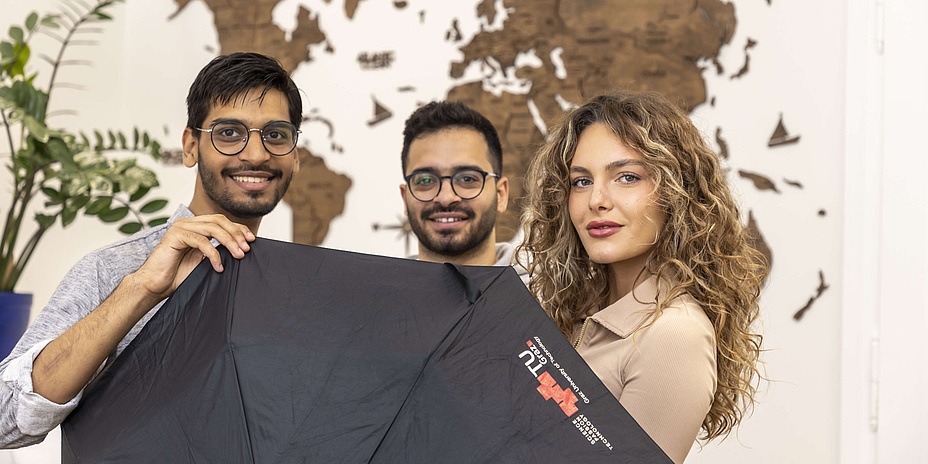
Adjusting to the weather in Austria was an experience in itself, especially coming from India. Winters can feel long, with shorter days and colder temperatures, which takes some time to get used to. Over time, I realized the importance of staying active, like going for walks, meeting friends, or simply stepping out during the day. At first it felt challenging, but gradually I adapted to it and got used to this different pace of life.
International Student Experience at TU Graz
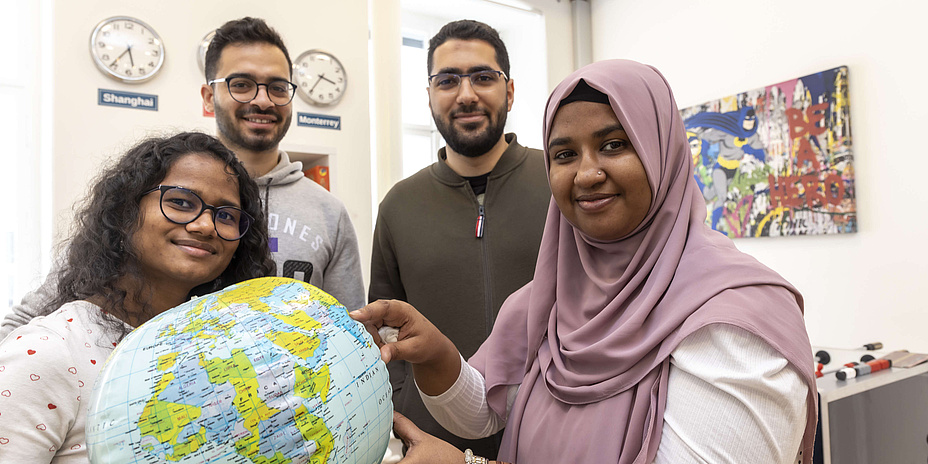
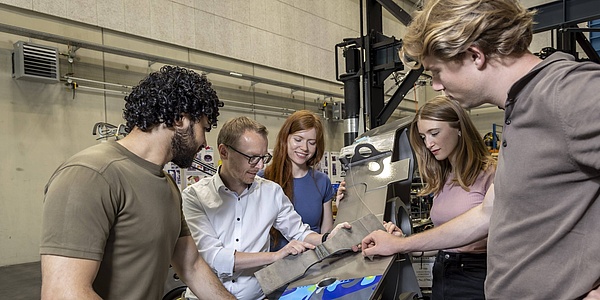
At TU Graz you meet students from many different countries, each bringing their own perspectives and experiences. (Image source: Lunghammer – TU Graz)
One of the things I really appreciate about studying at TU Graz is the international environment. You meet students from many different countries, each bringing their own perspectives and experiences. This makes learning more interesting and adds value beyond academics. Group projects are a great way to work with people from diverse backgrounds. It really helps improve communication skills and gives you global outlook.
Conclusion
Studying in Graz has been more than just an academic decision it has been a truly enriching experience that goes far beyond the classroom. From adapting to a new culture to becoming more independent, every part of this journey has contributed to my personal and academic growth.
Looking back, I’m really glad I made this choice and honestly, if I had to do it all over again, I would choose the same path without a second thought. For anyone considering studying in Austria, being open to new experiences and ready to step out of your comfort zone can make the journey incredibly rewarding.
How to Apply to TU Graz from India

If you are considering applying to TU Graz as a third-country citizen, you can find information about the application deadline, the required documents and proof of language skills on the website Overview: Admission of International Degree Programme Applicants. Attention: Prospective students from India must complete a competence check at VFS Global before applying for admission.
Admission procedures are required for some bachelor's degree programmes and most English-language master's degree programmes. Please note that for some programmes, the application deadline is very early. Make sure you check the relevant degree programme page.
If you have any questions, please ask the International Office – Welcome Centre at TU Graz for help. They provide support from the outset and can help even with non-academic matters such as entry and residency, housing, insurance, networking and integration. You may also find the International Students FAQ on the TU Graz website helpful.

From India to Austria: What It’s Like to Study at TU Graz
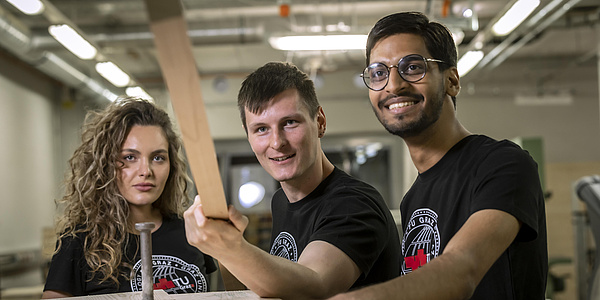
Discover how Indian students adapt to TU Graz: from flexible learning and cultural shifts to student life in Graz. Read on for tips on how to thrive as a student in Graz, right in the heart of Europe.
From Serbia to Styria: My TU Graz Journey
Planning to study in Graz, Austria? Get tips on admission, student life, leisure and costs. Discover how to navigate the system, and why TU Graz is the perfect place for your science and engineering…
Studying in Austria: University life for Hungarians

Are you Hungarian and thinking about studying in Austria? Discover the Austrian university system with all its challenges and immerse yourself in everyday student life in Graz with a Hungarian…