Struggling to choose between TU Wien and TU Graz, the two largest technical universities in Austria? Compare student life, living costs, courses and career opportunities to find out which one matches your goals.
When it comes to studying abroad in Austria, we face the challenge of finding the university that best suits our academic goals and the city that will become a second home for us. Austria is home to several prestigious technical universities: Graz University of Technology (TU Graz), the Technical University of Leoben (Montanuniversität) and the TU Wien. While the Technical University of Leoben specialises in resources, materials and processes, TU Graz and TU Wien offer a broader and more comparable range of courses in engineering and natural sciences. However, they differ in various aspects that can influence your academic and personal experience. So, setting mining studies aside, the question is whether TU Graz or TU Wien better suits your needs and whether Graz or Vienna is the place for you.
My name is Abigel Laçi and I come from Albania. I’m studying Molecular Biology at Graz University of Technology. With this blog post I want to clear the fog, hopefully give you some insights and help you make the decision that is right for you.
Academic Focus: What Are You Going to Study?
TU Graz – Strong Cooperation in the Natural Sciences and Successful Student Teams
Firstly, I would like to compare the range of study programmes of these universities. TU Graz offers a diverse array of engineering and science programmes. Teaching is research-led and a large number of student teams at world-class level combine theory with practice. TU Graz offers 19 bachelor’s and 36 master’s programmes, including 20 held in English, across seven different faculties.

According to the QS Subject Ranking 2025, TU Graz is especially well known for its research in the following subjects:
- Architecture and Built Environment
- Materials Sciences
- Civil and Structural Engineering
- Mechanical, Aeronautical and Manufacturing Engineering
- Chemical Engineering
- Computer Science and Information Systems
You can find all the degree and certificate programmes offered by TU Graz on its website.
In collaboration with the University of Graz, TU Graz offers the NAWI Graz programme, thus enhancing its natural sciences disciplines, such as molecular biology, biotechnology, chemistry, physics, etc.
TU Wien – Larger Scale and Industry Connections in the Capital Region
TU Wien has significantly larger student admissions but offers a similar range of programmes across eight faculties – in figures: 17 bachelor's and 39 master's degree programmes. TU Wien has stronger connections to industry in the capital region, whereas TU Graz works with a variety of business partners, ranging from local SMEs to global companies, through corporate investments and research projects.
According to the 2025 QS Subject Rankings, TU Wien’s strengths lie in:
- Architecture and Built Environment
- Natural Sciences
- Computer Science and Information Systems
- Civil and Structural Engineering
- Mechanical, Aeronautical and Manufacturing Engineering
- Chemical Engineering
TU Wien is complemented by the University of Vienna, which offers programmes in the humanities, computer science and the natural sciences, as well as by BOKU University, which focuses on sustainability, the environment and agricultural sciences.
You can find all the degree and certificate programmes offered by TU Wien on its website.
University Size and Student Community
TU Graz – A Smaller, Close-Knit Environment
Next, I would like to discuss the size of the universities and respective communities. With around 13,500 students, TU Graz is more intimate and encourages a closer-knit academic community. This smaller size can lead to more personal interactions with professors and a more collaborative atmosphere among students.

TU Wien – Lively and Busy
With its significant larger student enrolment of approximately 26,700 students, TU Wien offers a bustling campus experience. While this provides access to a wider multitude of resources and networking opportunities, it may also mean larger class sizes in some fields of study and a more reserved or formal environment.
City Life: Graz vs. Vienna
Graz – Student-Friendly, Green and Manageable
Graz is Austria’s second largest city, with a population of around 300,000 residents with about 60,000 students across all universities, giving it a lively yet manageable size. The city is known for its friendly and student-centred atmosphere and for its strong focus on innovation, green mobility and industries.
Vienna – Austria’s Cultural Capital
In contrast, Vienna is the capital and largest city of Austria, with around 2 million residents and about 200,000 students across its universities. The city offers a diverse, metropolitan environment with endless cultural, academic and social opportunities.
To get a vivid impression of the events and sights in Graz and Vienna, visit the Graz Tourism and Vienna Tourism websites.
Cost of Living: Budgeting for Student Life
Graz – More Affordable for Students
Now let’s shift our attention to finances and the cost of living, environment and leisure time possibilities in these two beautiful cities. One of the most significant practical differences between the two cities is obviously the cost of living. In Graz, student housing (for example œad student housing Graz) and private rented accommodation are generally more affordable. A single room in a shared apartment typically ranges between 400 and 600 euros, depending on location and facilities that are provided. Living costs overall remain moderate, making Graz an attractive option for students on a budget.
Vienna – Higher Costs, Bigger Opportunities
In Vienna, as one would expect, living costs are higher due to its size and demand. As expected, the monthly rent for a single room in a shared apartment is around 500 to 900 euros (for example œad student housing Vienna), and sometimes more than that in central districts. However, the city compensates with a broad range of cultural and social benefits, including efficient public transport and countless leisure activities.
Scholarships and Financial Support
But not to worry, because both universities offer scholarship programmes and financial support to their students. At TU Graz, the “TU Graz 100” scholarship programme stands out; for example, new bachelor's students, including international students, can receive up to 8,000 euros, and master’s students up to 16,000 euros, provided they meet the academic criteria. Additionally, if you are a student from South-East Europe, TU Graz offers you the possibility of applying for a reimbursement of tuition fees, if you fulfil certain criteria. The faculties offer merit-based scholarships ranging from €750 to €1,500 for exceptional academic performance.
At TU Wien there are also merit-based scholarships in the range of 750 to 1,500 euros for outstanding students, as well as niche large-scale grants, for example, a 5,000-euro scholarship for female technical students. TU Wien also offers tuition fee reimbursement.
Small friendly tip: always check deadlines and eligibility and scholarship amounts/habits change every year.
What to Do in Your Free Time
Graz – Relaxed and Outdoors
Being the second biggest city in Austria, Graz offers a blend of historical charm with its beautiful inner-city architecture and modern innovation. The city is known for its lively student life, with numerous cafés – student’s “living room” of choice being Tribeka, bars and cultural events. Its compact size makes it easy to navigate and the surrounding Styrian countryside provides plentiful opportunities for numerous outdoor activities.

Vienna – Cultural, Diverse and Always Moving
Vienna on the other hand, as Austria's capital, is rich in cultural heritage and offers a wider range of leisure activities. From excellent museums and theatres to extensive parks like the Prater, there's always something new to explore. The city's coffee-house culture is also a significant part of its social structure, offering spaces to study, socialize or simply just enjoy the atmosphere and the scenery. If it's nightlife you're after, Vienna is definitely the better choice.
Career Prospects: Internships and Industry Connections
Graz – Green Tech, Automotive Innovation and Electronics Based Systems
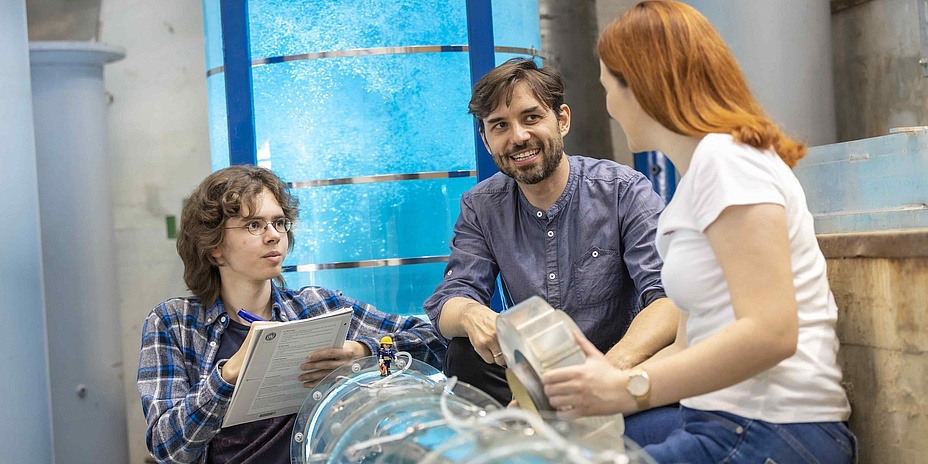
Lastly, I would like to conclude this post by discussing industry, job and internship opportunities. Both Graz and Vienna have very strong connections to industry and research, which makes them excellent places to start a technical career. Graz is part of the Styrian region’s “Green Tech Valley” as well as of the Silicon Austria Labs, hosting leading companies in the fields of renewable energy, mobility and automotive engineering, and electronics based systems. TU Graz maintains close ties with these industries through research collaborations and internship programmes. Graz also has a vibrant start-up scene, closely linked to its universities.
Vienna – International Companies and Broad Opportunities
Vienna, as the capital, provides access to large international companies, start-ups and public research institutions. The city’s economy covers a wide range of fields, such as IT, telecommunications, consulting and energy, making it ideal for those who prefer a big city job market.
Final Thoughts: Which One Should You Choose?
To summarise, choosing between TU Graz and TU Wien depends on your academic interests and lifestyle preferences. If you prefer a more personal academic experience in a smaller city, yet with a lively student life, and with a lower cost of living, then TU Graz is the best choice for you. If you seek a more dynamic, urban and anonymous environment with a broader range of programmes and cultural activities and are prepared for a higher living cost, then TU Wien would be the university to go for. Academically speaking, both universities offer exceptional education and opportunities in the technical and natural sciences fields.
From my personal experience, I can say that starting your journey in the relatively smaller city of Graz can still lead you to big opportunities, open numerous doors for your career and give you a chance to adapt better, integrate faster, and embrace the beautiful Austrian culture. Consider what aspects are most important to you to make the best choice for your studies and personal growth and take the leap to give shape to your future.

From India to Austria: What It’s Like to Study at TU Graz
Discover how Indian students adapt to TU Graz: from flexible learning and cultural shifts to student life in Graz. Read on for tips on how to thrive as a student in Graz, right in the heart of Europe.
From Serbia to Styria: My TU Graz Journey
Planning to study in Graz, Austria? Get tips on admission, student life, leisure and costs. Discover how to navigate the system, and why TU Graz is the perfect place for your science and engineering…
Studying in Austria: University life for Hungarians

Are you Hungarian and thinking about studying in Austria? Discover the Austrian university system with all its challenges and immerse yourself in everyday student life in Graz with a Hungarian…