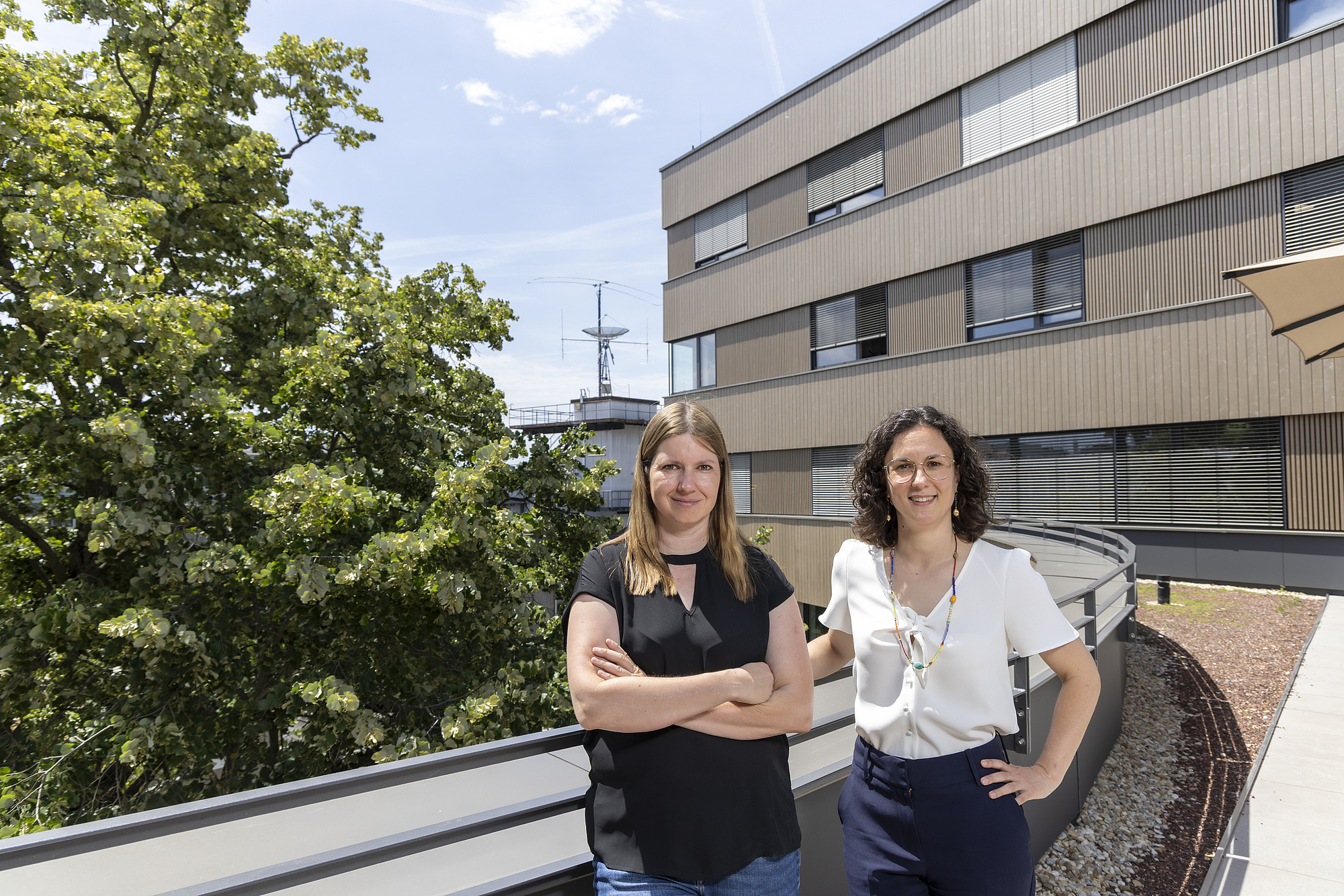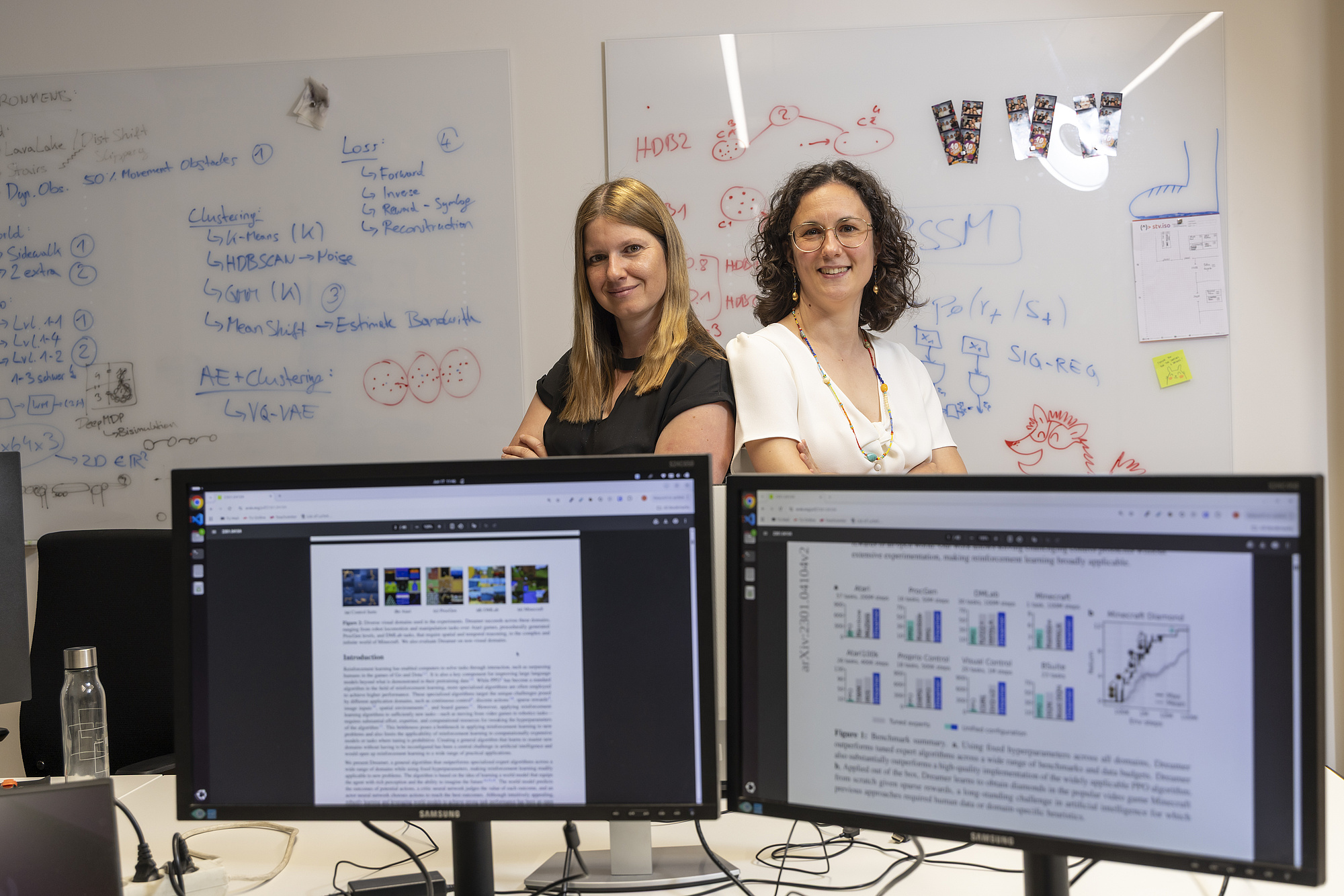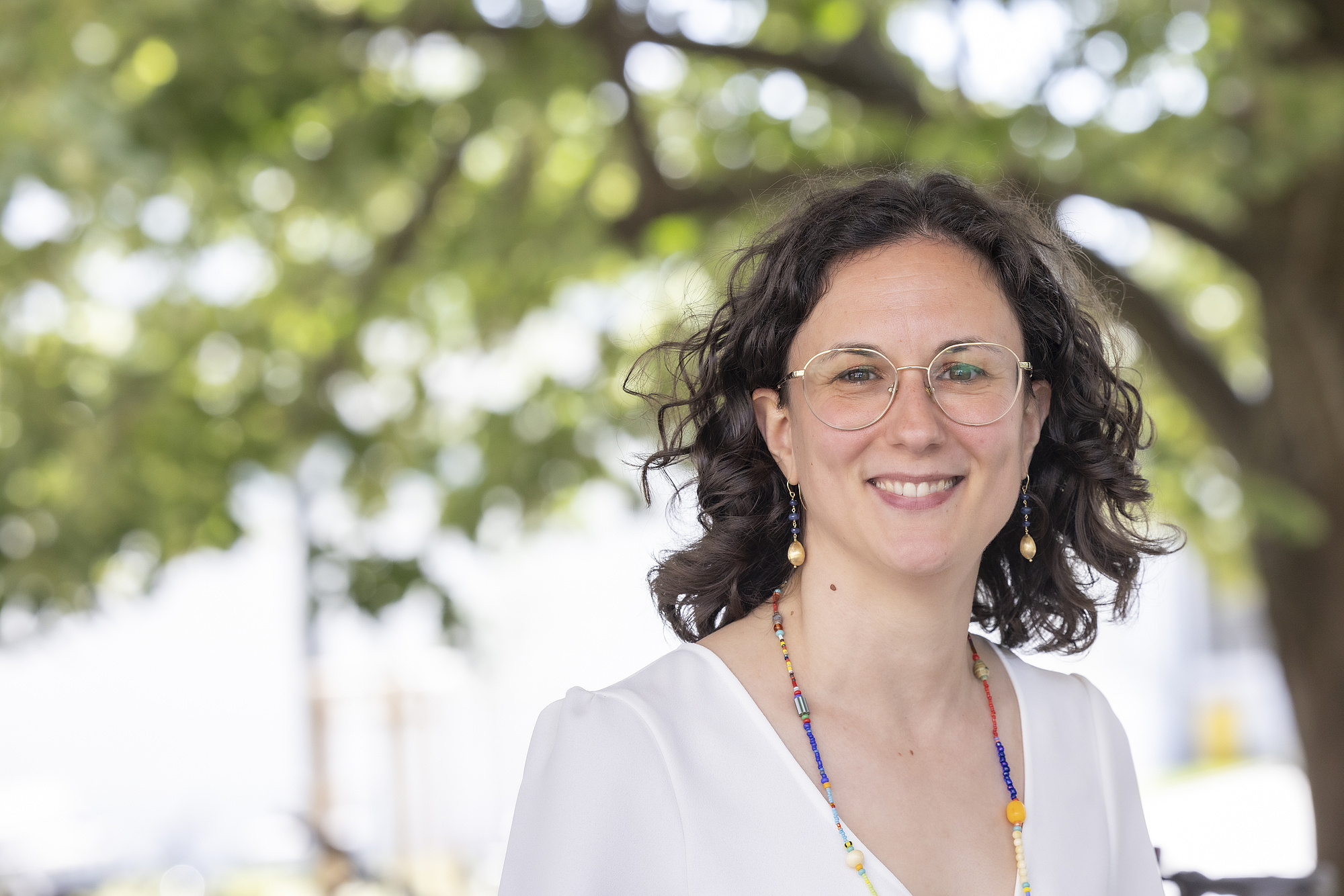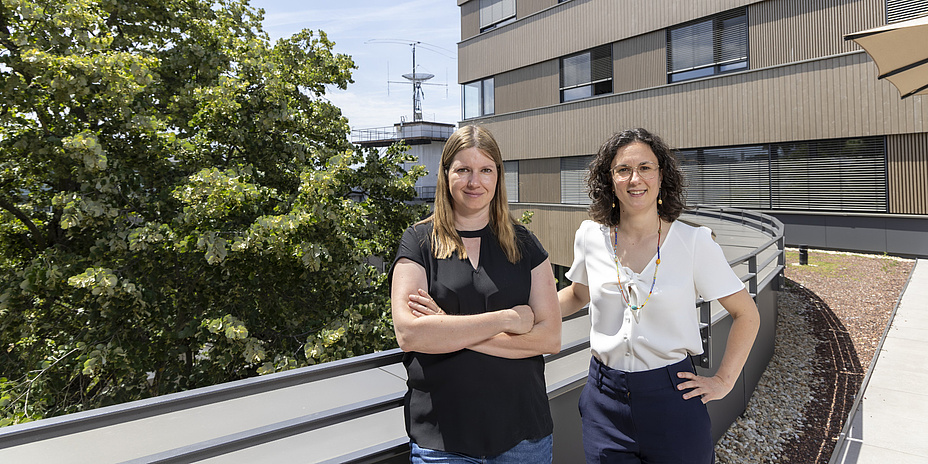
Anna Galler and Bettina Könighofer, both researchers at Graz University of Technology (TU Graz), can each celebrate winning one of the coveted ASTRA awards conferred by the Austrian Science Fund (FWF). This means they will each receive funding of one million euros over five years for their projects. Bettina Könighofer is working on trustworthy AI at the Institute of Information Security, while Anna Galler is conducting research on quantum materials for future electronics at the Institute of Theoretical and Computational Physics. According to the FWF, the awards are intended to provide outstanding researchers with the conditions they need to carry out long-term research projects at the very highest international level, to consolidate their own research profiles and, in so doing, to qualify for senior academic positions.
People should be able to trust AI
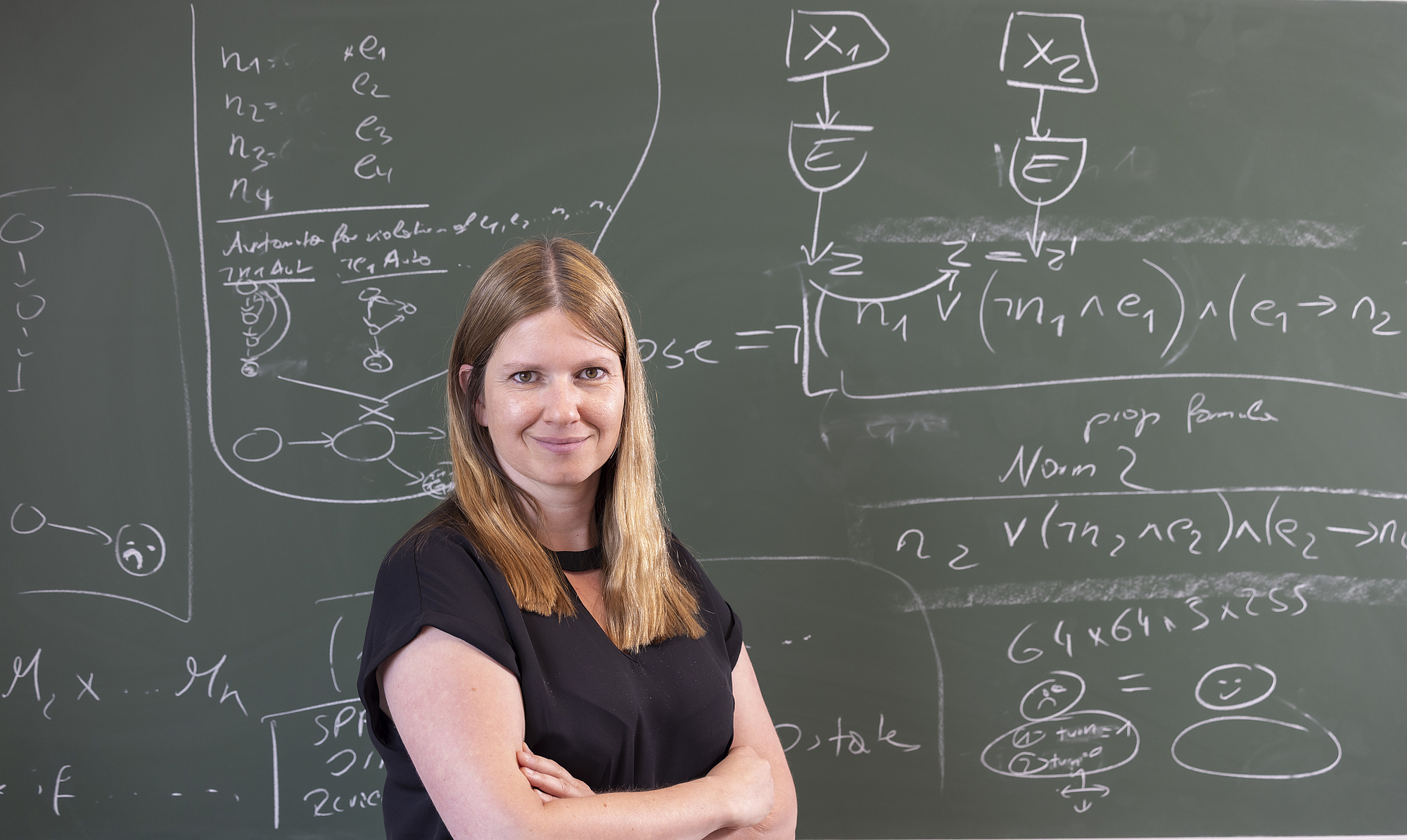
Bettina Könighofer’s project “SEAL – Shielding for Explainable Correctness of Learned Systems”, focuses on protective shields that monitor AI systems, prevent risky or non-compliant actions while a task is being carried out, and explain why a system makes certain decisions. This is intended to ensure that people can truly trust autonomous AI systems – such as vehicles or robots.
Bettina Könighofer had already examined these shields in her doctoral thesis in 2018, when she published the first approach to provably correct machine learning. In this work, she used symbolic AI to calculate a so-called “shield”, which checks all the decisions of the AI system before they are executed. So far, her research into these shields has focused on safety properties like collision avoidance. Through her new project, which forms part of the Austrian Bilateral AI Cluster of Excellence, Könighofer will expand her work to cover the areas of ethics, fairness, and explainability.
“When AI acts autonomously, we must be able to trust that it will act safely and respect our rules and standards,” says Bettina Könighofer. “With our approach, we do not aim to understand the decision making of neural networks – that is, subsymbolic AI – with their millions of parameters as a whole, because that is an extraordinarily difficult challenge. We examine individual aspects that are important and, with the aid of symbolic AI, ensure that defined rules and specifications are adhered to. This allows corrective action to be taken before anything happens, for example, before an autonomous vehicle drives off an embankment.”
Two-dimensional materials for future electronics and sensors
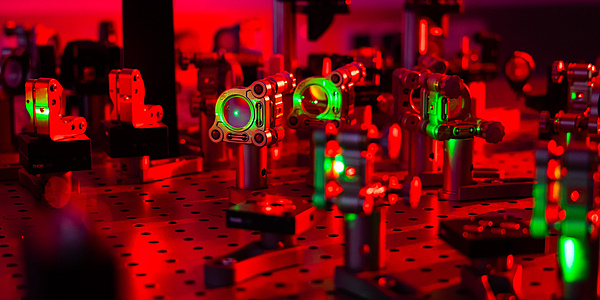
Anna Galler’s project “Electron Dynamics and Correlation in 2D Quantum Materials” focuses on ultra-thin, two-dimensional materials consisting of just one or a few atomic layers. These quantum materials are highly flexible mechanically and exhibit remarkable electronic, optical and magnetic properties. These can be designed separately for each layer of material, and stacking the individual layers can result in new properties; for example, a metal can then become an insulator. As a result, quantum materials are regarded as valuable building blocks for the next generation of electronics and sensors, for example in ultra-thin and flexible transistors or as ferroelectric materials for data storage.
“In this project, I am developing theoretical and numerical quantum many-particle methods to predict the electronic, optical and magnetic properties of these quantum materials and to identify promising new materials before they are synthesised in the laboratory,” says Anna Galler. “I am also investigating how light can be used to control and adapt their behaviour.”
Anna Galler hopes to fill a gap in research with her new methods. Until now, it has been virtually impossible to predict the properties of two-dimensional quantum materials. The reason for this is the quantum mechanical interaction between the electrons, which makes reliable calculations difficult. There is still too little data available to apply machine learning in this context, which is why Anna Galler’s new methodological approaches, utilising high-performance computers, are intended to deliver results.
New impetus
“The FWF Astra awards are aimed at particularly talented researchers. Anna Galler and Bettina Könighofer have more than earned these awards,” says Andrea Höglinger, Vice Rector for Research at TU Graz. “I would like to offer my warmest congratulations to both of them, and I am particularly delighted that the first two Astra awards for TU Graz have gone to female researchers. At the same time, this success demonstrates the excellence of TU Graz in the fields of artificial intelligence, information security and materials research. Through their projects, Bettina Könighofer and Anna Galler will be able to provide fresh impetus in their respective fields beyond the borders of Austria.”
Anna GALLER
Dipl.-Ing. Dr.rer.nat. BSc BA
TU Graz | Institute of Theoretical and Computational Physics
Phone: +43 316 873 8195
anna.galler@tugraz.at
Bettina KÖNIGHOFER
Ass.Prof. Dipl.-Ing. Dr.techn. BSc
TU Graz | Institute of Information Security
Phone: +43 316 873 5554
bettina.koenighofer@tugraz.at