
Sarajevo+ Field Trip
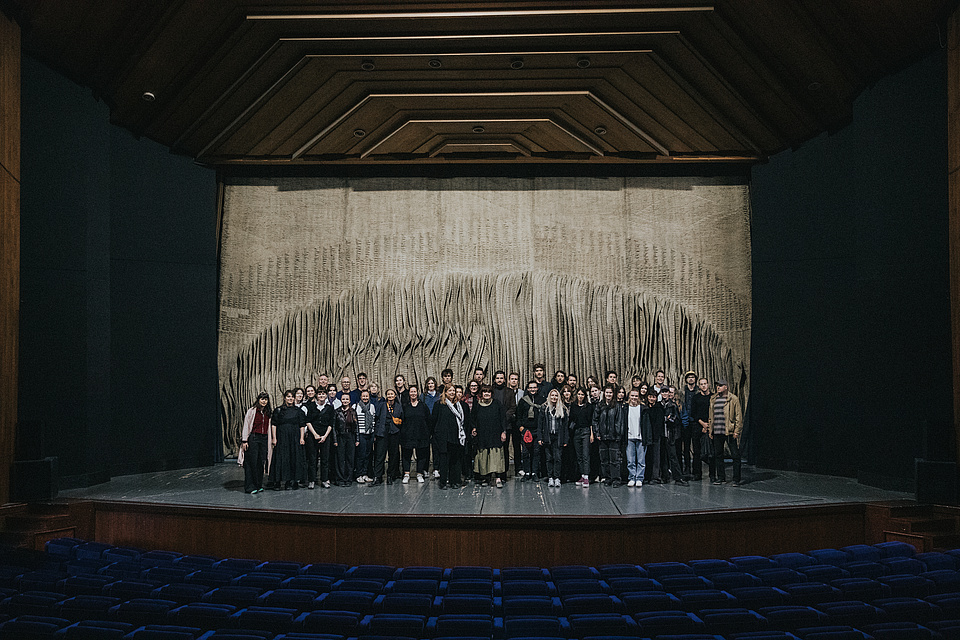
Following the successful excursion to Sarajevo in 2024, another study trip was organized in late May 2025 by the Gender Task Force and the Institute of Construction and Design Principles (KOEN), with the aim of bringing architecture designed by women into focus. The Faculty of Architecture provided financial support for the trip in order to enable students to engage on site with the works of often overlooked women practitioners in architecture. Teaching staff and international partners from the Gender Task Force network also joined the excursion.
This year, the group visited projects in Jasenovac, Banja Luka, Zenica, Žepče, Tešanj, and Sarajevo that encompass a wide range of typologies. The first stop was Helena Paver Njirić’s museum in the Jasenovac Memorial Park, home to Bogdan Bogdanović’s distinctive “Stone Flower” spomenik. In Banja Luka, Yugoslav modernist projects were presented by the educators and architects Igor Kuvač and Nevena Novaković. A building under construction in Tešanj was visited the next day: Studio Entasis, led by Vedina Babahmetović, designed an administration building for the renowned Bosnian solid-wood furniture company Artisan, where participants were given a glimpse of the factory’s production processes. This was followed by visits to two public buildings in Sarajevo: a kindergarten by Firma (Dina Šamić and Nermina Zagora), one of the rare public buildings currently being rebuilt, and the History Museum. Despite a lack of wider institutional and state support, the museum has been revived and kept running by its director Elma Hašimbegović. The trip concluded with a tour of one of the modernist jewels of Bosnia and Herzegovina—the National Theatre in Zenica, designed by Zlatko Ugljen and Jahiel Finci. The group was granted an exclusive preview of the stage curtain, a work by the celebrated Yugoslav artist Jagoda Buić, which is seldomly shown today due to preservation concerns. Informal lunches and dinners inspired vibrant discussions and a better understanding of local culture and architectural practices.
Ajna Babahmetović