Studio Master - Bioregion Plabutsch
Aglaée Degros
Karina Brünner
Urban development today is increasingly shaped by global supply chains, large-scale territorial consumption, and the separation of production from everyday life. The relationship between built structures and their territorial context is often weakened, while local knowledge, resources, and work processes are rarely incorporated into urban processes. The result is urban spaces that consume territory without responding to ecological limits or social structures.
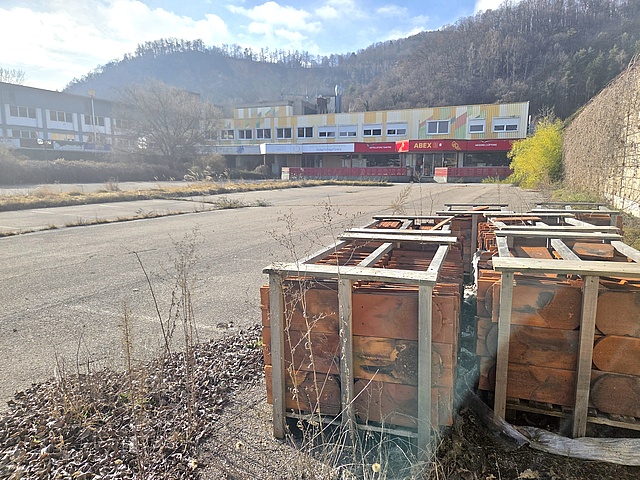
The area of Gösting in Graz, located along Plabutscherstraße 63, reflects these conditions. Located between residential neighbourhoods, infrastructure corridors, former productive sites, and surrounding landscapes, the area is part of a broader bioregion where material flows and ecological systems intersect. At the same time local resources, existing building stock, and neighbourhood potential remain underused in contemporary development models.
This master studio investigates how architecture and urbanism can operate as mediators between territory, resources, and collective life, understanding the bioregion as a framework for spatial transformation. Inspired by practices that work with locally sourced, reused, and cultivated materials, the studio explores urban design strategies based on locality, reuse, and cooperation with local actors.
Students will analyse territorial structures, ecological processes, and social networks and translate these findings into spatial concepts. The studio focuses on understanding the region as a resource landscape, including existing buildings and potential sources of materials such as agricultural residues. These strategies foster regenerative relationships between soil, the built environment, and human and non-human communities.
Site visit: 11.03.2026
Presentation: 26.02.2026, 09:35, HS B, Kopernikusgasse 24/3.OG
Guests:
Prof. Thaneha Kuzniecow Bacchin (Royal Danish Academy)
DI Petra Simon (epps Ploder Simon ZT GmbH)
Foto: Institut für Städtebau